Healthy Calf Conference
Follow to stay up-to-date on all Healthy Calf Conference updates. Speaker announcements, sponsorship information, registration announcements, and more.
By Kendra Keels, Industry Development Director, Veal Farmers of Ontario
As I sit down to write my final “Calf Care Corner”, I find myself reflecting on a career shaped by calves—thousands of them. I still remember the first calf I fed with a bottle and the thrill of that moment. Teaching it to drink from a pail was a different challenge, but it taught me an important lesson: raising calves takes patience, persistence, and a willingness to learn as you go.
Back in the late 80s, feeding protocols and calf nutrition weren’t nearly as clear as they are today. Like many new farmers, I asked how much to feed and what temperature the milk should be—and often struggled to find straight answers.
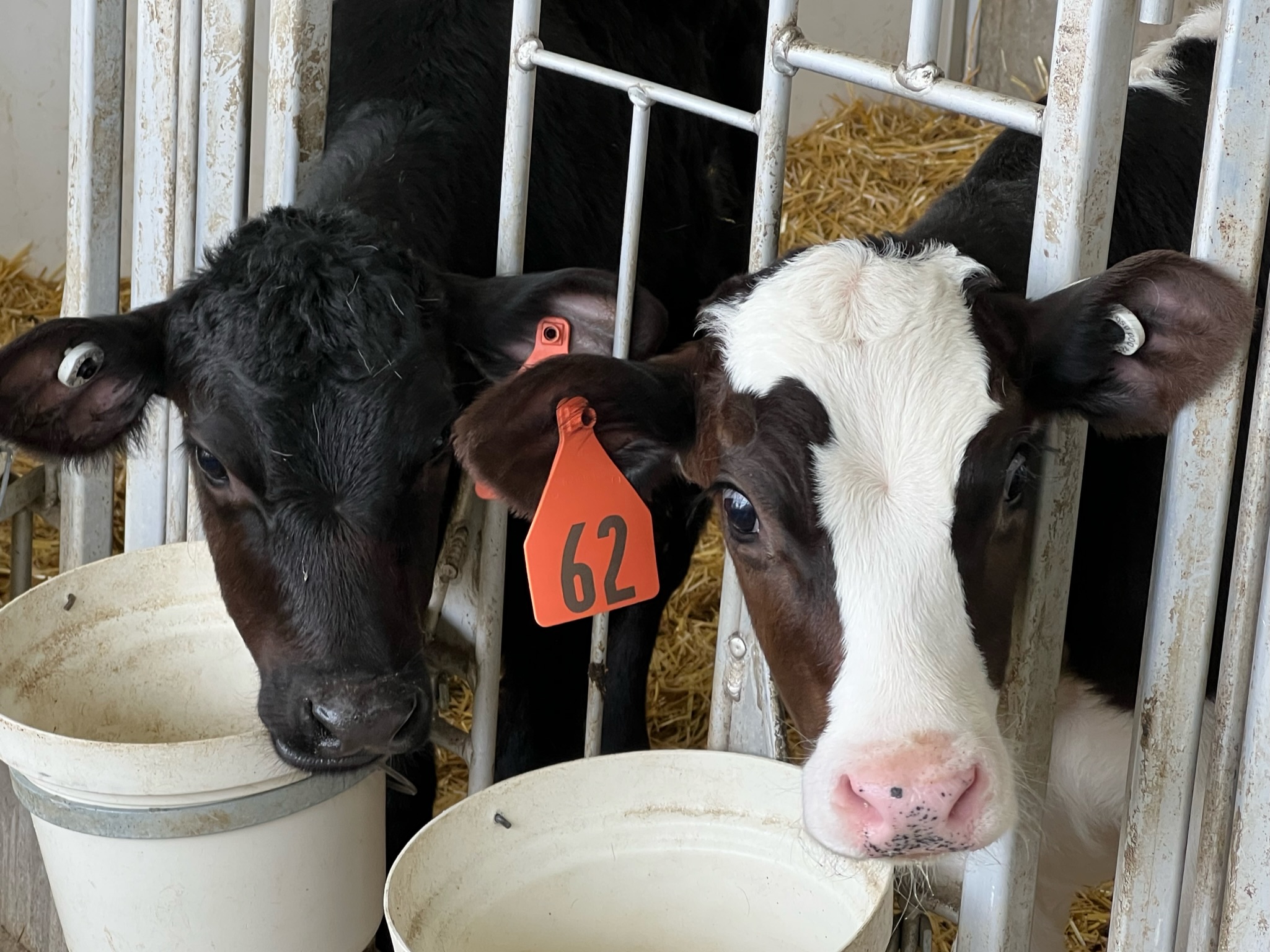
Thirty-six years later, I’ve not only fed many calves but also had the privilege of helping shape how they are cared for in Ontario and across Canada. Much of my work has focused on male dairy and dairy-cross calves—once dismissed as “by-products” but now recognized as co-products with real economic and production value.
Today, well-raised male dairy and dairy-cross calves are a sought-after commodity, contributing to both veal and beef markets. Giving them a “voice” has been central to my career.
Back to basics
One theme I’ve returned to often is “back to basics.” Good calf health doesn’t rely on costly technology—it comes down to fundamentals. Feed high-quality colostrum quickly (ideally four litres within six hours), keep maternity areas and bedding clean and dry to prevent navel infections, provide at least eight centimetres (3.2 inches) of straw for warmth and comfort, ensure proper ventilation to reduce respiratory disease, and follow structured vaccination schedules.
These simple, repeatable practices have a significant impact on calf welfare. An ounce of prevention is worth a pound of cure—and nowhere is that truer than in calf care.
Protocols and biosecurity
Prevention also begins long before calves enter the barn. Written Standard Operating Procedures (SOPs) for feeding, treatment, biosecurity, and vaccination ensure consistency and reduce mistakes.
Buying from as few sources as possible, ensuring calves arrive with healed navels, disinfecting trucks and equipment, and isolating sick animals all protect calf health.
Clear protocols reduce disease risk, improve staff training, and build consistency. A minute to check truly does save hours of regret.
Adding value to male dairy and dairy-cross calves
A central part of my work has been raising awareness of the value of male-dairy and dairy-cross calves, and the critical role dairy farms play in their early care.
For too long, these calves were overlooked. Today, we recognize them as co-products that can contribute significantly to dairy, veal, and beef operations—if they receive the right start.
Their future is shaped in the first days of life through colostrum feeding, navel care, clean housing, and vaccination.
Treating male dairy and dairy-cross calves as valuable from the beginning reduces losses, improves welfare, and strengthens the connection between dairy, veal, and beef sectors. Investing in all calves early ensures every calf has a chance to reach its full potential.
Looking back—and ahead
Looking back, a common thread runs through my work: prevention first, the belief that you can’t manage what you don’t measure, and a constant emphasis on calf welfare. I have always believed that calves—especially male dairy and dairy-cross calves—deserve our best, and that good management is both the right thing to do and the smart thing to do.
As I retire, I want to thank the producers, veterinarians, industry partners, and readers who have walked this journey with me. It has been a privilege to give all calves a voice and to work alongside you in building stronger, healthier herds. The basics still matter, the protocols still protect, and the calves still deserve our best. Thank you for letting me be part of Ontario’s calf care story.
Follow to stay up-to-date on all Healthy Calf Conference updates. Speaker announcements, sponsorship information, registration announcements, and more.
The Codes of Practice are nationally developed guidelines for the care and handling of farm animals. They serve as our national understanding of animal care requirements and recommended practices.